Climate Flow
Adaptive water, thermal and air strategies for buildings and neighbourhoods facing a changing climate.
Climate Flow develops the invisible infrastructure that keeps buildings and districts habitable as the climate shifts — water retention, passive cooling, thermal storage.
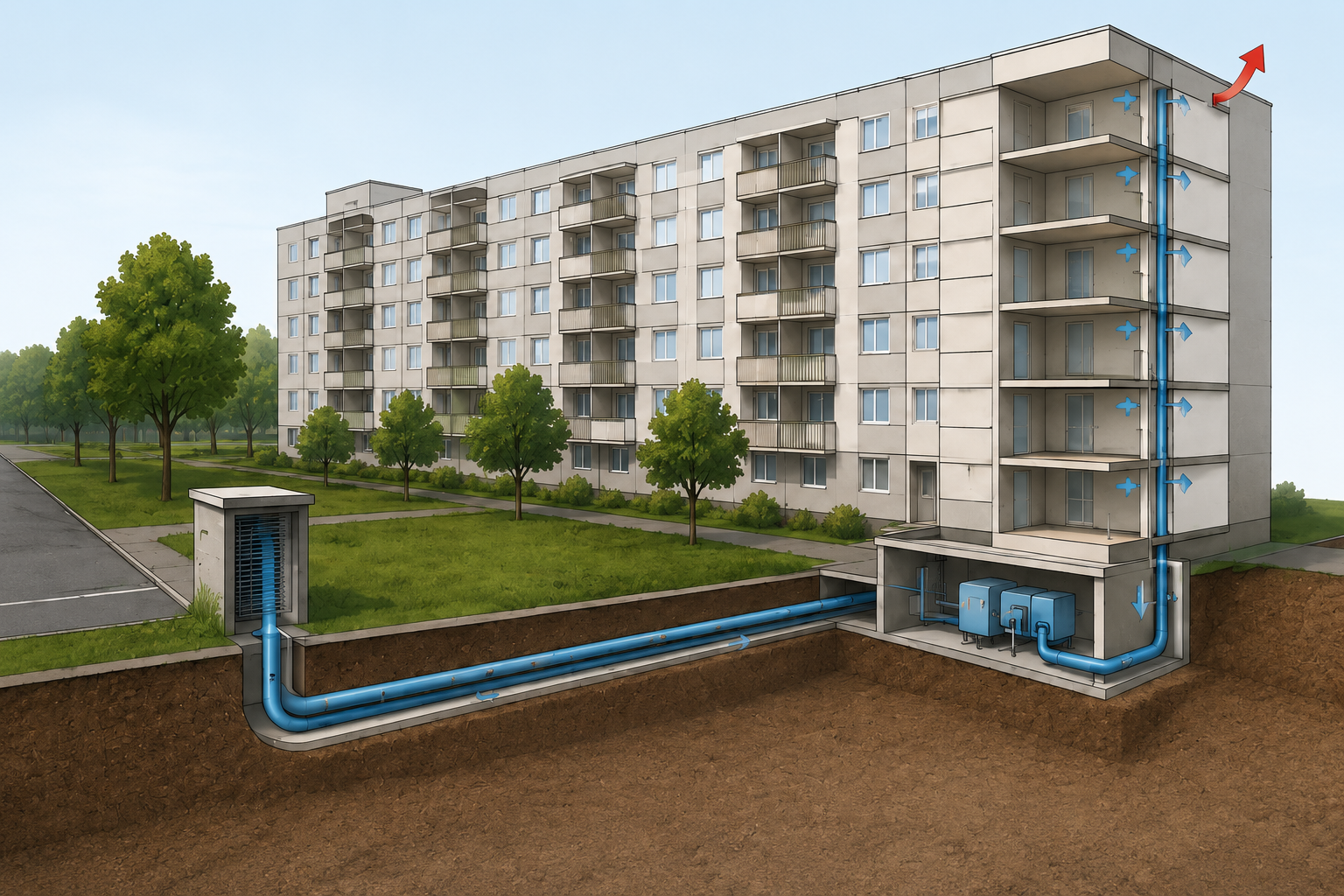
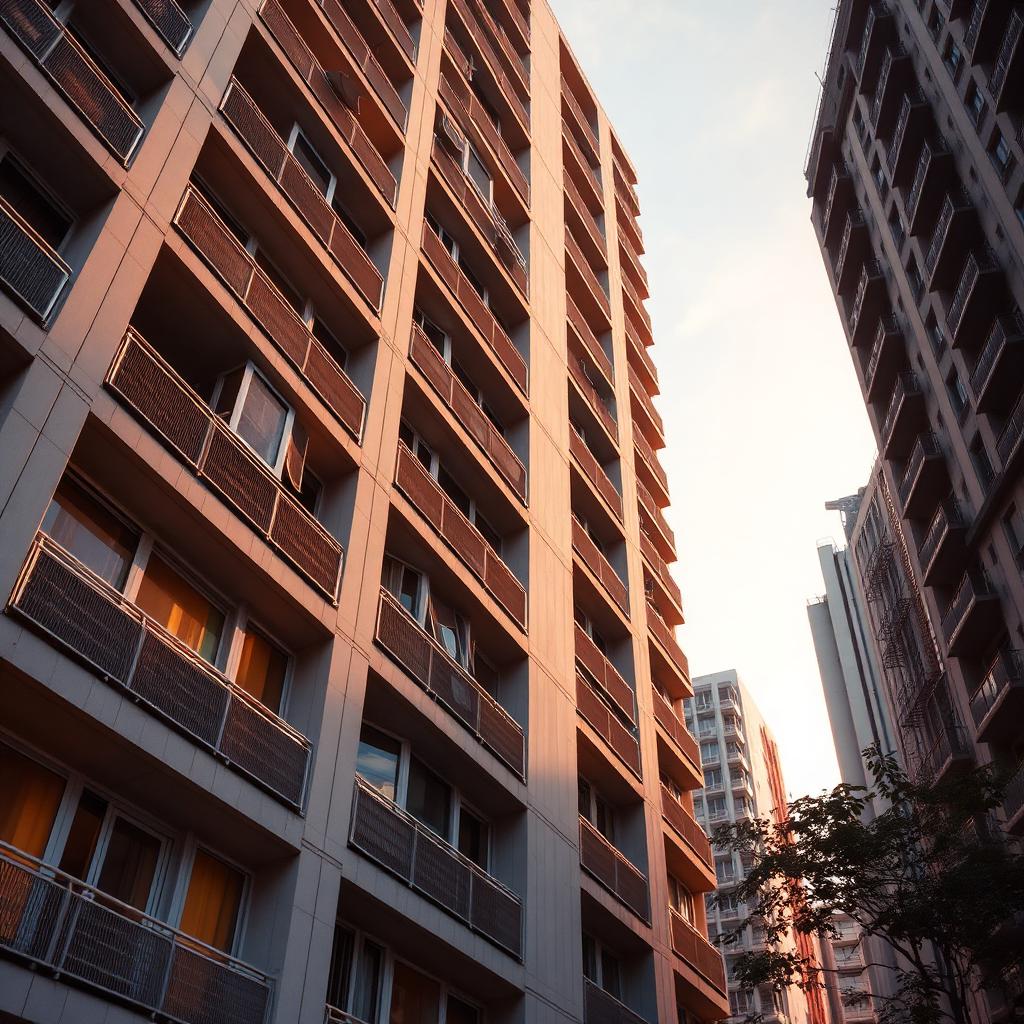
Climate Flow is a passive cooling and ventilation concept built on natural airflow, designed to reduce summer overheating in apartment blocks and panel buildings without significant additional energy use. The system combines traditional architectural natural ventilation solutions with a modern building-engineering approach. The system aims to significantly improve comfort without the need to install air conditioning in every apartment.
Where tradition meets the future.
An alternative to air conditioning
— 01The goal is not to replace conventional air conditioning entirely, but to significantly reduce its energy demand — by guiding cooler air into the building and lowering thermal loads.
Learning from the past
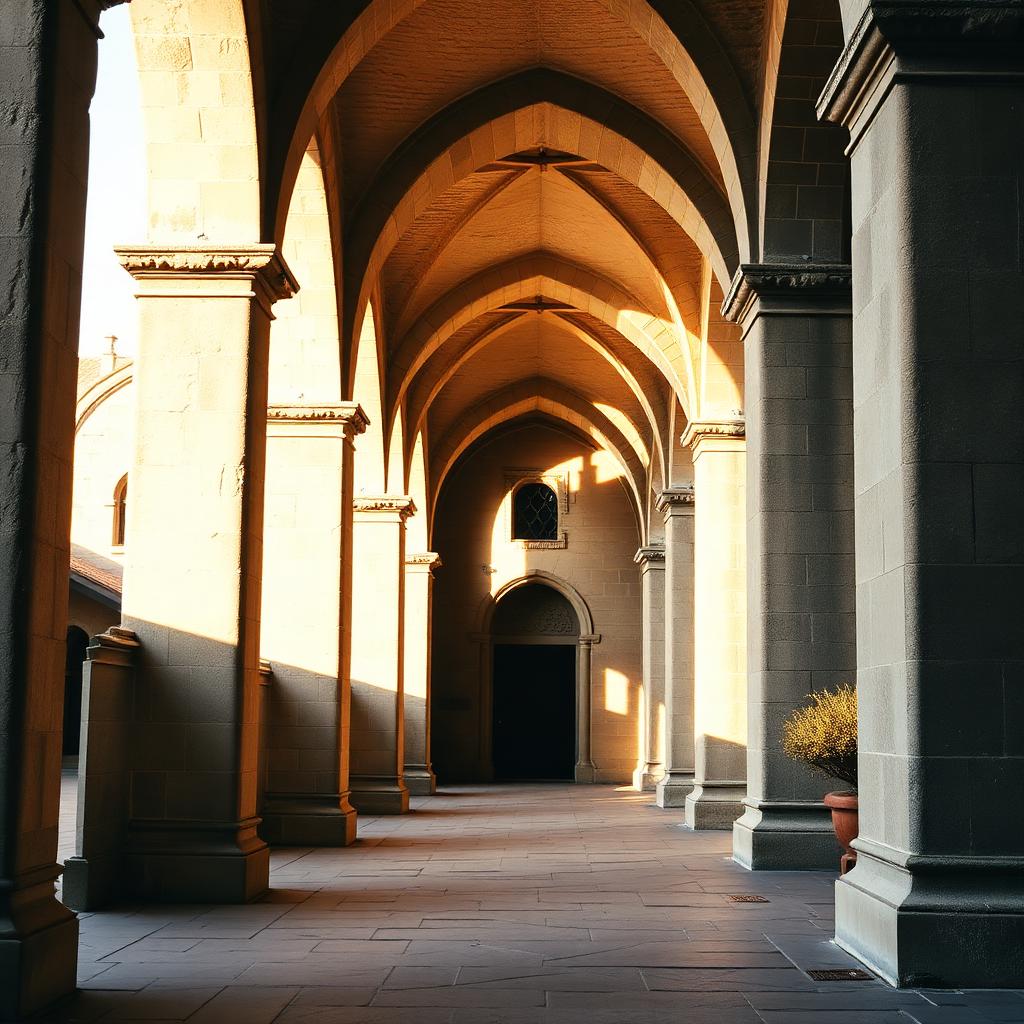
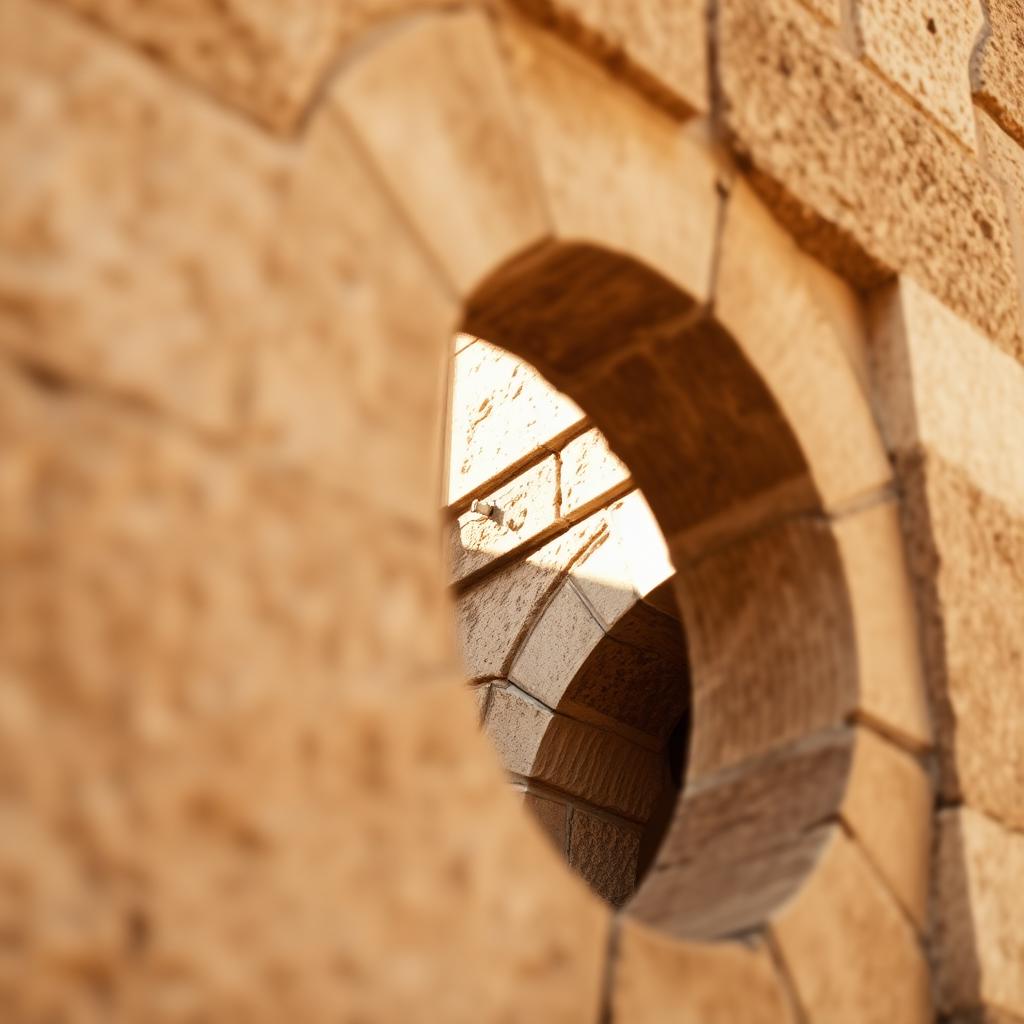
— 02The idea grew out of studying historical architectural solutions, where pleasant indoor climates were maintained for centuries without any mechanical cooling.
Airflow systems
— 03At the heart of the concept are air channels and vertical flow systems that support natural ventilation and reduce heat gain in the interior — combined where useful with geothermal or shading solutions.
An adaptable system
— 04Climate Flow is especially relevant for existing panel buildings, public buildings, schools and offices, where a full mechanical retrofit would be prohibitively expensive.
Field notes
Interested in collaborating?
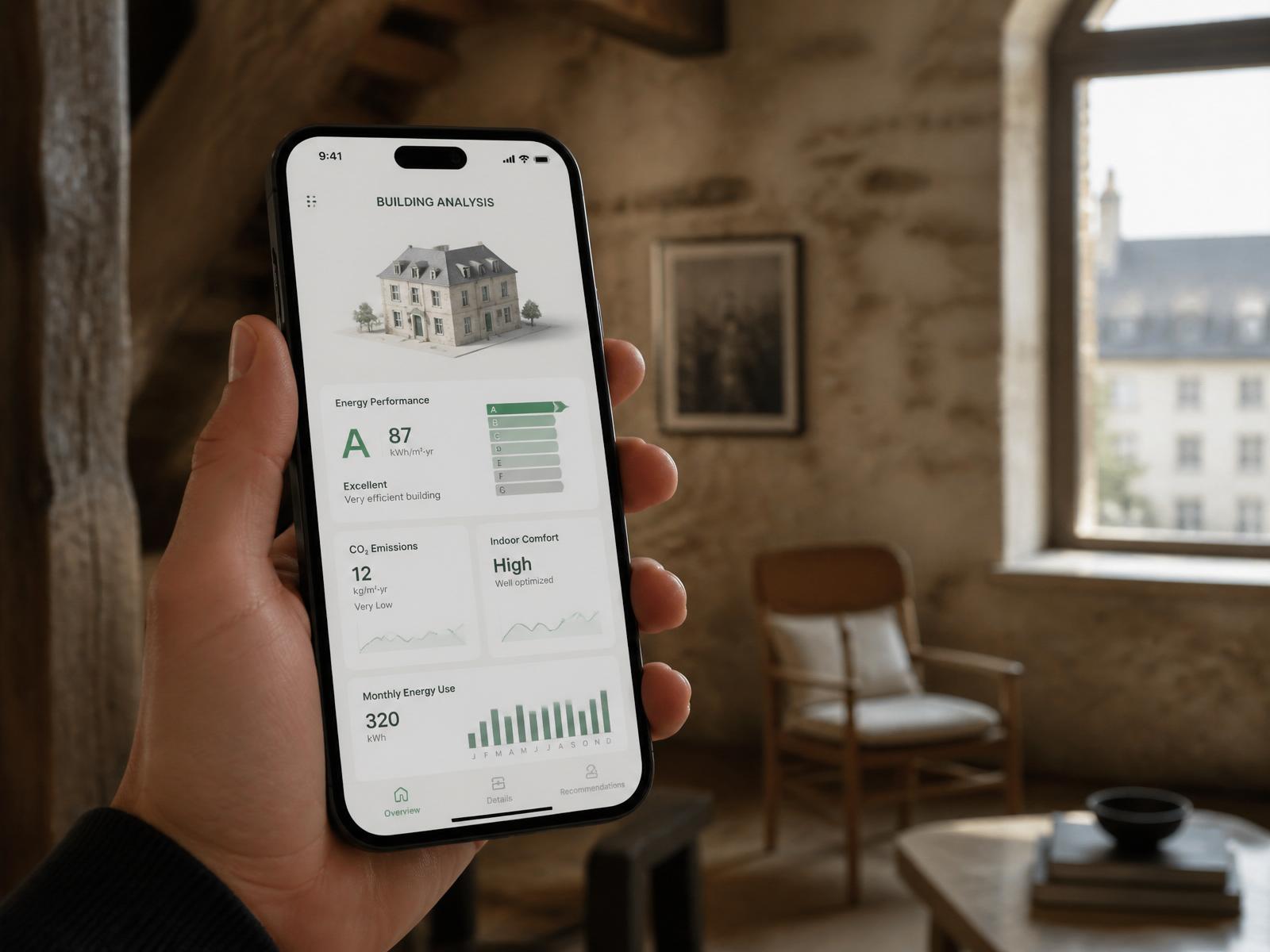
The project is closely tied to the Climate module of Resource App and to the experience gained through the research of historic buildings. Reinterpreting the natural architectural solutions of the past creates the opportunity for the buildings of the future to deliver higher comfort with less energy.